
Japanese Manga
漫画
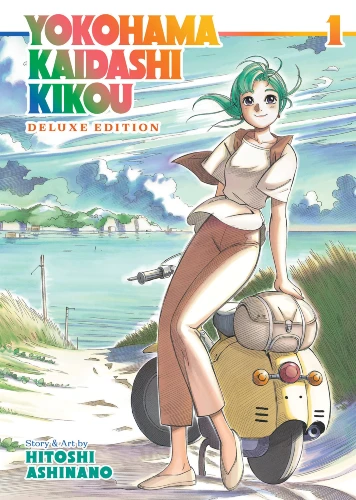
Top 15 by genre: most popular in 2026 – action – romantic – fantasy adventure – iyashikei (chill) – school romance – science fiction – comedy – slice of life (cute) – supernatural – drama – post-apocalyptic – mystery – sports/mecha – award winner
All Manga


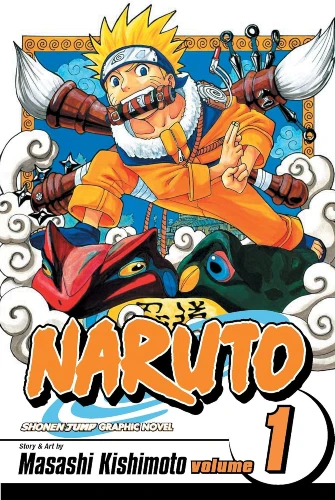

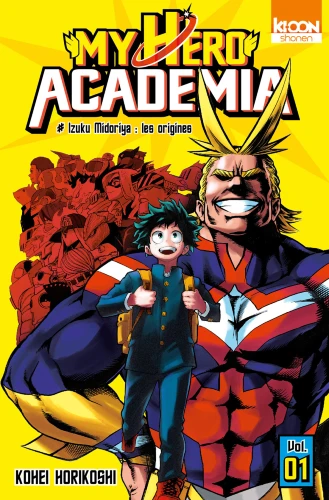
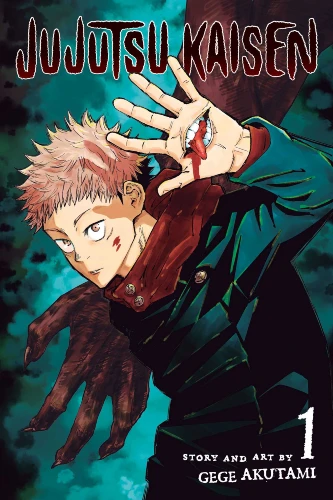




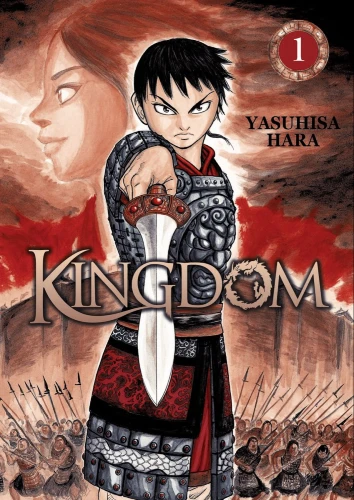

















Page 1 | 2 | 3 | 4 | 5 | 6 | 7 >>
The realm of Japanese manga offers an inexhaustible universe of stories, a dynamic medium that consistently pushes the boundaries of narrative and artistic expression. Its origins can be traced back to illustrated scrolls from the 12th century, including works such as Chōjū-jinbutsu-giga, which famously depict satirical scenes featuring anthropomorphic animals. However, modern manga as we recognize it began to take shape in the post-World War II era, influenced by Western comics and the groundbreaking work of Osamu Tezuka, often hailed as the Godfather of manga. Tezuka’s distinctive style, characterized by large expressive eyes and cinematic panel layouts, laid the groundwork for much of what followed. From foundational works such as Tezuka’s pioneering Astro Boy, to genre-defining epics like Dragon Ball and Sailor Moon, and critically acclaimed contemporary series such as Vagabond and 20th Century Boys, manga stands as a testament to the enduring power of sequential art. It possesses a remarkable capacity to craft intricate worlds, cultivate deeply complex characters, and explore a vast spectrum of human experiences, resonating with readers of all ages and backgrounds across the globe.
What truly distinguishes manga is its profound artistic versatility and its ability to cater to an incredibly diverse readership through its various demographic categories. Shōjo manga, traditionally aimed at young female readers, often explores themes of romance, emotion, and personal growth, exemplified by beloved works like Fruits Basket. Conversely, shōnen manga, traditionally targeting young male audiences, frequently features action, adventure, friendship, and perseverance, with titans like One Piece and Naruto dominating the landscape. Beyond these broad categories, manga encompasses countless genres and specialized styles that cater to specific tastes. Iyashikei, or “healing” manga, offers gentle, comforting narratives focused on everyday life, peaceful settings, and serene atmospheres, providing a tranquil escape for readers. Manga centered around kawaii aesthetics similarly embraces charming character designs, lighthearted storytelling, and an atmosphere of warmth and innocence. This inherent adaptability allows manga to explore the most delicate emotions and intimate personal experiences alongside the most colossal action sequences, effectively conveying an extraordinary range of human stories.
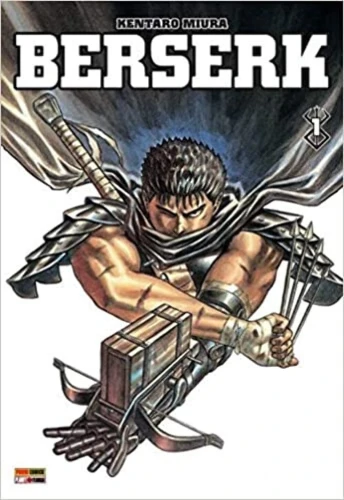
This artistic mastery underpins narratives that often grapple with fundamental aspects of life. The complexities of relationships, the unwavering strength of camaraderie found in shōnen battle manga, the arduous journey of self-discovery often central to shōjo narratives, and the grand mysteries of existence explored in seinen works all find their place within the manga ecosystem. The sheer breadth of genres—from heartwarming slice-of-life comedies like Is the Order a Rabbit?, to adrenaline-pumping action adventures such as Attack on Titan, intricate psychological thrillers like Monster, and expansive dark fantasy sagas such as Berserk—ensures that manga offers a unique narrative gateway for virtually every reader. Its lasting impact stems from this extraordinary synthesis of artistic innovation, thematic depth, and an unwavering dedication to exploring the human condition, solidifying manga’s position as a vital and influential force in global visual storytelling. Continually evolving while remaining rooted in a rich artistic tradition, manga continues to captivate audiences with its boundless imagination and remarkable ability to tell stories in ways found nowhere else.