
Japanese Anime Series
アニメシリーズ
Top 15 by genre: most popular in 2026 – action – romantic – fantasy adventure – iyashikei (chill) – school romance – science fiction – comedy – slice of life (cute) – supernatural – drama – post-apocalyptic – mystery – sports/mecha – award winner
All Anime Series –





















Page 1 | 2 | 3 | 4 | 5 | 6 | 7 >>
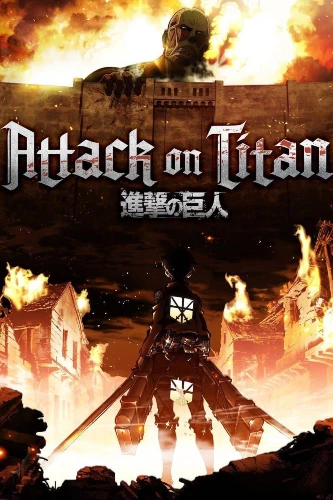
The world of Japanese anime series is a boundless galaxy of imagination, offering narratives that captivate and resonate across demographics and continents. Its roots stretch back to the early 20th century, drawing inspiration from various animation pioneers, but it was in the mid-20th century, particularly with the works of Osamu Tezuka—often credited as the “godfather of manga”—that anime truly began to find its distinct voice, mirroring the advancements in manga. From these foundational epics that built the genre, like the pioneering Astro Boy, to the groundbreaking explorations found in Initial D, and the global phenomena of modern masterpieces such as Attack on Titan and Fullmetal Alchemist: Brotherhood, anime series are a testament to the power of serialized storytelling. They possess an unparalleled ability to weave intricate plots, develop profoundly complex characters, and delve into themes that challenge and enlighten viewers of all ages, creating an immersive experience that draws audiences into their meticulously crafted worlds.
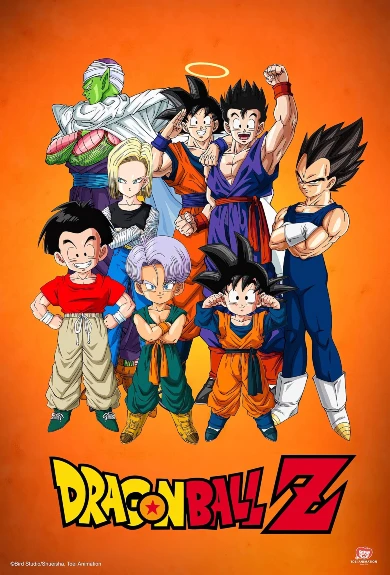
What truly sets anime series apart is their extraordinary artistic fluidity and the remarkable quality of their animation, which elevates the viewing experience to an art form. The visuals are not merely backgrounds but dynamic canvases, ranging from the elegantly serene to the explosively dynamic. Fluid motion, a hallmark of high-quality anime, brings characters and action sequences to life with breathtaking clarity and dynamism. Whether depicting the subtlest human emotion through nuanced facial expressions or conveying the grandest spectacle with fluid, impactful choreography, the animation itself becomes a vital storytelling tool. This artistic prowess serves narratives that often explore the very essence of existence. The intricate dance of romance in a shojo series like Kaguya-sama: Love is War, the often over-the-top, yet thrilling, action of shonen powerhouses like Jujutsu Kaisen and Dragon Ball Z, or even the more adult-oriented themes found in ecchi genres, all benefit from this sophisticated visual language.
Beyond these specific genres, the sheer diversity of anime ensures a narrative for every palate. Iyashikei, or “healing” anime, offers gentle, comforting narratives that focus on everyday life and serene atmospheres, providing a tranquil escape akin to a warm embrace. Slice-of-life series, often overlapping with iyashikei, delve into the mundane yet profound moments of ordinary existence, making the relatable feel extraordinary. Meanwhile, the epic scope of fantasy sagas and the mind-bending complexities of psychological dramas continue to push the boundaries of what serialized animation can achieve. The enduring power of anime lies in this fusion of artistic brilliance, particularly in its animation and motion, thematic richness, and an unwavering commitment to exploring the human spirit in all its facets. This makes them not just television shows, but profound artistic journeys that leave an indelible mark on the global cultural landscape, offering viewers not just entertainment, but deeply moving and thought-provoking experiences.