Mob Psycho 100 [Anime Series] – Info, Plot, Main Characters
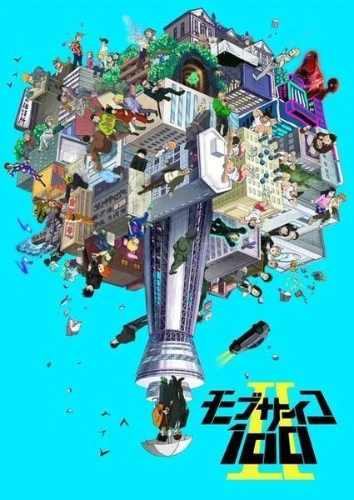
Japanese Title: モブサイコ100 (Mobu Saiko Hyaku)
Year of Release: 2016 – 2022 (37 episodes, 2 OVAs)
Origin: Japan
Director: Kōichi Sakamoto
Production: TV Tokyo
Manga: Mob Psycho 100 Manga 2012 – 2017 (16 volumes)
Anime Movies: –
Weebz Club Rating: Mob Psycho 100 Anime Series Episode 1 Review – 9.5/10
Plot Overview
At the heart of Mob Psycho 100 is Shigeo Kageyama, known universally as Mob, a young middle school student who appears remarkably unremarkable. This outward ordinariness, however, masks an immense wellspring of psychic power, an ability that threatens to consume him if not rigorously controlled. Mob’s journey is one of profound internal struggle; he meticulously suppresses his emotions, terrified of the destructive potential that lies dormant within him, lest he unleash an uncontrollable torrent of psychic force. The narrative chronicles his quest to discover a life of purpose that extends beyond the formidable reach of his powers. Much of his time is spent as an assistant to Arataka Reigen, a charismatic but ultimately fraudulent self-proclaimed psychic who operates a spirit consultation business. This unlikely partnership finds them confronting a myriad of supernatural challenges, each encounter serving as a crucible for Mob’s development, guiding him toward a deeper understanding of himself and the complex landscape of his own emotions.

Main Characters
- Shigeo Kageyama (Mob): The unassuming protagonist blessed—or perhaps cursed—with extraordinary psychic abilities. Mob’s primary battle is internal, a constant war against his own emotions as he strives to maintain control over his immense power. His yearning for a normal life and his struggle with emotional repression are central to his character.
- Arataka Reigen: Mob’s unconventional mentor and friend. A master of deception and a self-proclaimed psychic, Reigen runs a spirit consultation business that relies more on clever tricks and manipulation than genuine spiritual insight. Despite his flaws, he develops a genuine fondness for Mob and plays a significant role in his personal growth.
- Ritsu Kageyama: Mob’s younger brother. While lacking psychic abilities himself, Ritsu harbors a deep desire for them, driven by a complex mix of envy and admiration for Mob. He is popular and academically gifted at school, often serving as a stark contrast to Mob’s social awkwardness.
- Teruki Hanazawa (Teru): Initially introduced as a formidable esper and Mob’s direct rival, Teru possesses immense psychic power and a haughty demeanor. His early antagonism towards Mob gradually evolves, and through their encounters, he eventually becomes a significant ally, learning humility and the true meaning of strength.
Themes
- The series is a poignant exploration of Mob’s transformative journey. It emphasizes the critical importance of understanding and embracing one’s emotions, charting his path toward self-discovery and the development of a well-rounded personality that transcends his psychic gifts.
- Mob’s internal conflict—the dichotomy between his powerful psychic nature and his deep desire for a simple, normal existence—forms the bedrock of the series’ exploration of self-identity. His journey is one of acceptance, learning to integrate his extraordinary abilities into his sense of self without letting them define him entirely.
- The delicate equilibrium between Mob’s formidable psychic prowess and his stringent emotional restraint is a core thematic concern. The narrative consistently highlights the repercussions of suppressing feelings, demonstrating how unchecked emotions can lead to catastrophic consequences, while also suggesting that true strength lies in managing, not eradicating, one’s emotional spectrum.
Style
Mob Psycho 100 stands out due to its distinct and refreshingly simplistic animation style, setting it apart in the anime landscape. The character designs are wonderfully expressive, frequently employing exaggerated features and dynamic lines to vividly convey a wide range of emotions, from subtle awkwardness to explosive rage. This unique aesthetic masterfully amplifies the series’ comedic undertones, allowing for humor that is both visual and character-driven. Simultaneously, this style doesn’t detract from the action; rather, it facilitates incredibly dynamic and fluid fight sequences. The animation expertly balances the quirky, heartfelt moments that define the story’s emotional core with the explosive, visually arresting bursts of psychic power, creating an experience that is both visually distinctive and deeply engaging.
Sources: Mob Psycho 100 Official Site, Wikipedia