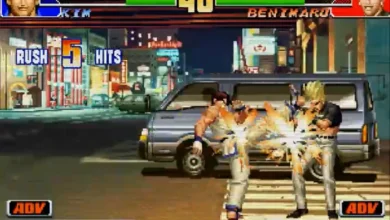
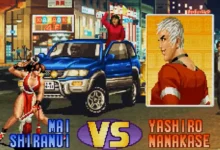
The neon-drenched caverns of Japanese arcades have long been hallowed ground for gamers, pulsating with the synthesized symphonies of digital dreams. These temples of thunderous buttons and vibrant screens have birthed legends, franchises that transcended pixels to become cultural phenomena. From the strategic dance of dodging pixelated projectiles to the adrenaline-fueled rush of a perfectly executed combo, the arcade experience is a unique alchemy of skill, competition, and sheer, unadulterated fun. For decades, Japan has been the epicenter of this revolution, a relentless forge of innovation that has shaped the global gaming landscape. Within these hallowed halls, certain titans have risen above the rest, their names echoing through the annals of gaming history. This is not merely a list; it is a tribute to the indelible impact these five titans of the arcade have had, a journey through the blinking lights and triumphant cheers that defined an era and continue to inspire. Our selection is rooted in unprecedented cultural impact, revolutionary gameplay innovation, and enduring global popularity – the very elements that cemented these titles as true cornerstones of gaming history.
5. Out Run (1986)
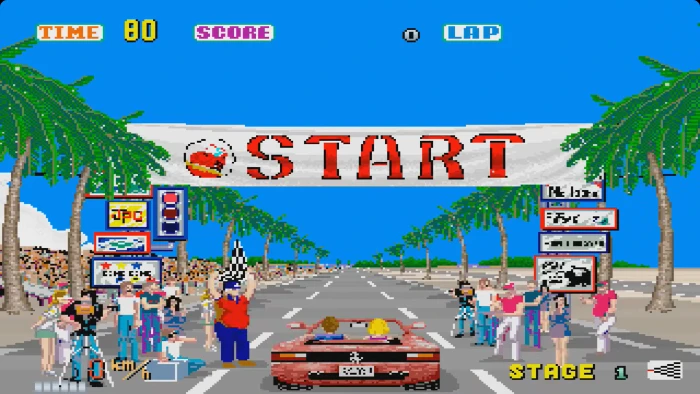
While Out Run has seen countless iterations, its arcade version, particularly the Sega release, holds a special place in the hearts of many. The elegant simplicity of a speeding car, needing to be guided through winding roads and traffic, is a universally addictive concept. Out Run is a masterclass in emergent complexity from basic rules. It appeals to a primal desire for freedom and exploration, offering a satisfying visual and mental challenge. The pressure of the approaching traffic, coupled with the increasing speed and the branching pathways, creates an intense yet focused experience. In the arcade, the competitive element could be amplified, with players striving for the longest distance or engaging in time trials. Its enduring appeal lies in its perfect balance of challenge and accessibility, a true testament to brilliant design that has captivated generations.
4. Donkey Kong (1981)
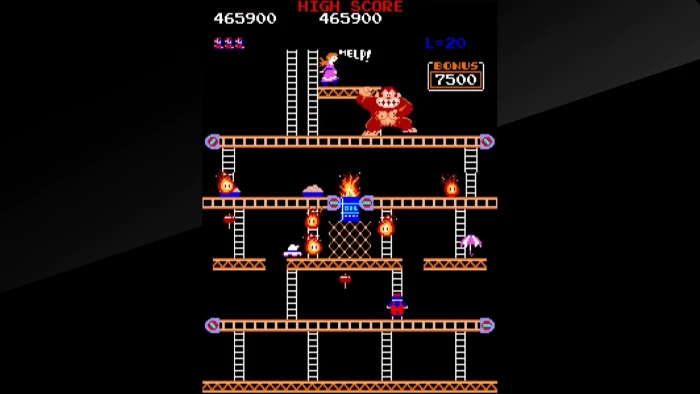
Nintendo’s Donkey Kong, arriving in 1981, was a revolutionary title that did more than just provide thrilling platforming action; it introduced two of gaming’s most enduring characters. Players controlled Jumpman (later famously known as Mario), a carpenter trying to rescue his girlfriend Pauline from the titular ape, Donkey Kong, who hurled barrels down a series of ramps. The game’s multi-screen design and its emphasis on precise jumping and timing were groundbreaking. Donkey Kong wasn’t just about reflexes; it required players to learn patterns and plan their ascent. Its narrative, though simple, was compelling, and the character of Mario, a humble everyman, resonated with players. This game was the genesis of Nintendo’s empire, a testament to their innovative spirit and a cornerstone of arcade history.

3. Space Invaders (1978)
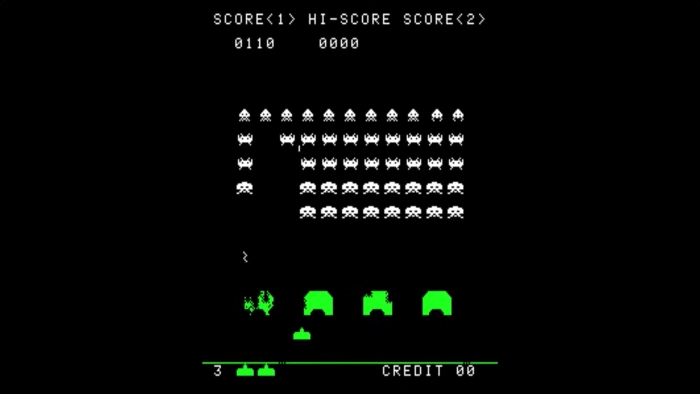
Taito’s Space Invaders, released in 1978, is more than just an arcade game; it’s a historical monument. This seminal title is widely credited with igniting the golden age of arcade video games and is a direct ancestor to many genres. Players controlled a laser cannon at the bottom of the screen, tasked with defending Earth from descending waves of pixelated aliens. The increasing speed of the invaders as fewer remained and the strategic use of defensive shields created a tense, high-stakes experience. Space Invaders introduced the concept of a high score, fostering a spirit of competition that would become a cornerstone of arcade culture. Its simple yet profound gameplay loop was utterly addictive, and its iconic alien designs are instantly recognizable even today. The game’s success was so immense that it reportedly caused a temporary shortage of 100-yen coins in Japan.
2. Pac-Man (1980)
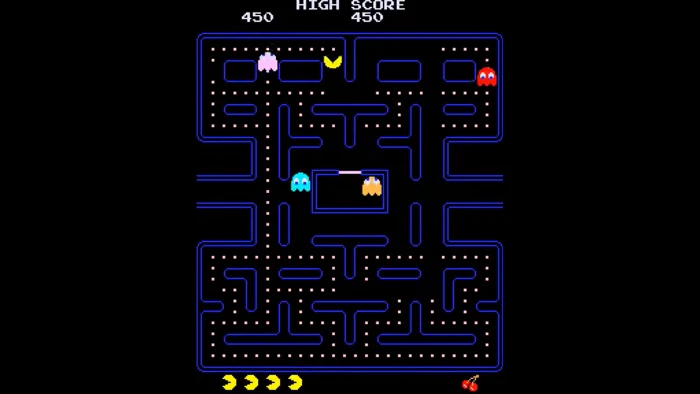
Before Street Fighter II dominated the competitive scene, Pac-Man was already a household name, a beacon of the early arcade golden age. Released by Namco in 1980, this deceptively simple maze game became an unprecedented cultural sensation. Guiding Pac-Man through a vibrant maze, gobbling up dots while evading the spectral pursuit of Blinky, Pinky, Inky, and Clyde, was an addictive loop that captivated players worldwide. Its appeal was universal, transcending age and gender. Pac-Man wasn’t just a game; he was a mascot, an ambassador for video games. The introduction of power pellets, allowing Pac-Man to turn the tables and chase his pursuers, added a thrilling strategic element. The game’s iconic sound effects and its instantly recognizable protagonist cemented its place in pop culture, proving that arcade games could be both accessible and endlessly replayable.

1. Street Fighter II (1991)
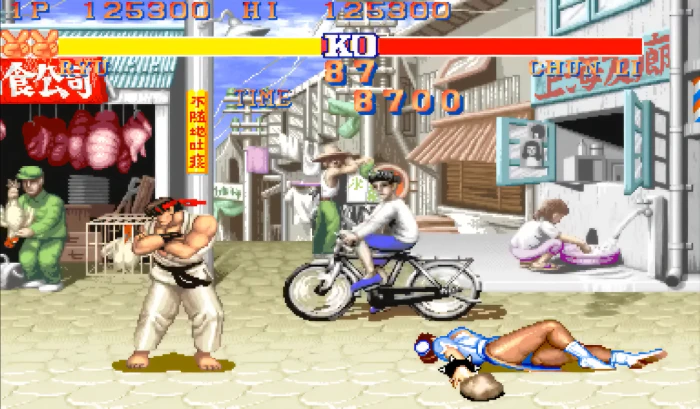
When Street Fighter II exploded onto the scene in 1991, it didn’t just redefine the fighting game genre; it reinvented competitive gaming as we know it. Capcom’s masterpiece took the simple premise of two characters duking it out and elevated it to an art form. With its diverse roster of unique characters, each possessing distinct fighting styles and special moves, and its revolutionary control scheme that rewarded timing and precision, Street Fighter II created a global phenomenon. The strategic depth was immense – mastering feints, understanding frame data, and anticipating your opponent’s moves became a language spoken by millions. Arcades became battlegrounds, filled with the roar of crowds as epic duels unfolded between Ryu, Ken, Chun-Li, and Guile. The game fostered a culture of intense rivalry and camaraderie, laying the groundwork for esports and countless sequels and imitators. Its legacy is etched in the very fabric of gaming, a benchmark against which all subsequent fighting games are measured.