Kyo Kusanagi, the protagonist of The King of Fighters stands as an unparalleled figure in otaku culture, representing the perfect convergence of aesthetic appeal, narrative prominence, and cultural influence that transcends the typical protagonist archetype. While otaku icons like Goku, Mario, and Luffy have shaped global entertainment, Kyo possesses a unique combination of factors that positions him as the definitive “Otaku Lord”—a character who embodies the aspirational ideals of modern fandom while remaining authentically human and relatable.
The Unmatched Charisma Factor
Kyo’s charisma operates on multiple levels that few characters can match. Where Goku lacks conventional attractiveness—his alien Saiyan heritage and perpetually youthful appearance create distance from human relatability—Kyo presents himself as an aspirational yet achievable ideal. He’s devastatingly handsome in a way that resonates with human standards of beauty: sharp features, an impressive physique earned through martial discipline, and an air of confidence that radiates from his character design itself.
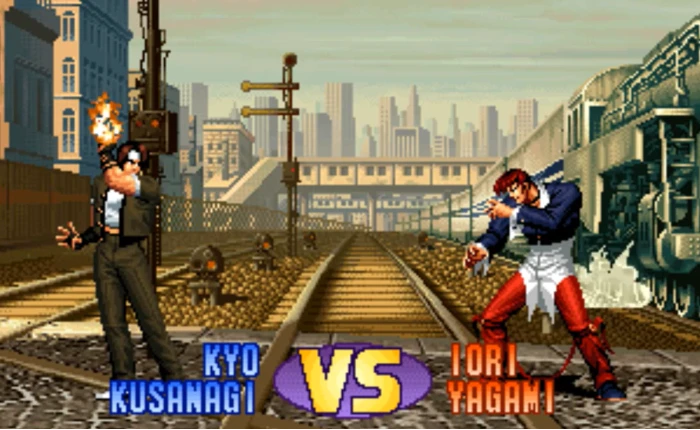
His signature red and white color scheme creates instant visual recognition, while his distinctive flame-pattern hairstyle became iconic precisely because it bridges the fantastical with the believable. Unlike Mario’s cartoonish proportions or Goku’s otherworldly alien composition, Kyo exists as a character humans can genuinely aspire to emulate. His physical form doesn’t require suspension of disbelief—it requires dedication and style.
The Humanity Advantage
This is where Kyo’s supremacy becomes undeniable. Mario is a plumber who bounces on turtles. His charm derives from mechanical innovation and nostalgia rather than character depth. Goku, despite his popularity, is fundamentally an alien warrior with no genuine human concerns beyond fighting stronger opponents. One Piece’s Luffy, while beloved, operates as a cartoon character whose appeal stems from adventure rather than relatable heroism.

Kyo Kusanagi is unequivocally human. He grapples with family legacy, the burden of inherited power, and the weight of being the protagonist of a worldwide fighting tournament phenomenon. The King of Fighters series built an entire narrative universe around human fighters competing against gods, monsters, and otherworldly threats—and Kyo remains the moral center, the human element that grounds this spectacular universe.
The King of Fighters’ Cultural Dominance
The King of Fighters franchise didn’t just participate in building modern otaku culture—it fundamentally shaped it. Debuting in 1994, the series emerged during a critical moment when arcade fighting games were defining what interactive entertainment could be. While Street Fighter introduced fighting game mechanics and Mortal Kombat brought visceral spectacle, King of Fighters introduced something revolutionary: character-driven narrative combined with competitive depth.
The franchise created a universe where dozens of characters from different backgrounds, nations, and power systems could coexist. This anthology approach—where players selected entire teams rather than single fighters—revolutionized how games could tell stories. Kyo, as the primary protagonist across multiple game iterations, became the narrative anchor for this expanding multiverse.
Comparatively, while Dragon Ball and One Piece dominated manga and anime, they operated within their respective mediums. King of Fighters existed at the intersection of arcade culture, fighting game competition, and character-driven storytelling, making it uniquely positioned to influence otaku culture across gaming, esports, and anime adaptation.
Style as Substance
Kyo’s aesthetic choices transcend mere costume design—they function as character development. His white gi-inspired clothing demonstrates martial discipline and tradition, while his red accents signal his connection to flames and his unique power system. The black headband evokes samurai tradition while maintaining modern appeal. Even his footwear and stance communicate confidence and readiness.


This is deliberate design psychology that Mario lacks entirely and that Goku only achieves through alien exoticism. Kyo’s wardrobe reads as “a person who made intentional choices,” not “a character assigned an outfit by developers.”
The Supernatural Power Balance
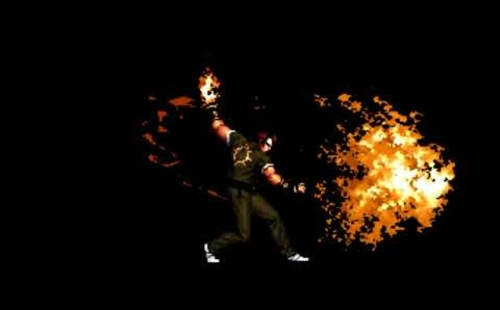
Kyo’s Orochi flame powers feel earned rather than arbitrary. His abilities stem from clan heritage and rigorous training, making them feel like the culmination of effort rather than random cosmic placement. Unlike Goku’s constantly escalating power levels or Mario’s indefinable power-up mechanics, Kyo’s flames represent a coherent power system rooted in mythology and personal development.
The Verdict
Kyo Kusanagi achieves what other otaku icons cannot: he is simultaneously the ultimate aspirational figure and a grounded, human protagonist. He possesses the aesthetic excellence of a fashion icon, the narrative depth of a literary protagonist, and the competitive credibility of a fighting game legend. In an otaku culture obsessed with both fantastical spectacle and human connection, Kyo occupies the perfect center point—making him, arguably, the ultimate Otaku Lord.