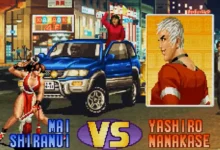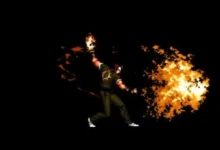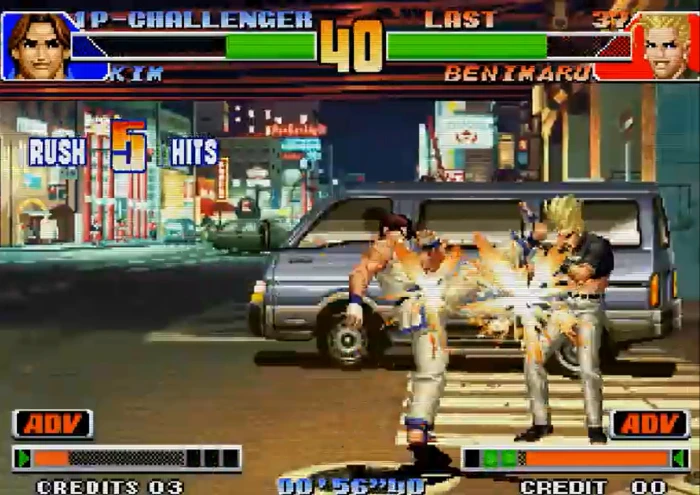
The King of Fighters (SNK, arcade debut 1994) rarely sits atop casual “greatest” lists—those usually name Dragon Ball, One Piece, Pokémon, Naruto, Studio Ghibli, Mobile Suit Gundam, Street Fighter, and the like. Yes—those are all real titans. But KOF occupies a different, purer kind of supremacy. Its greatness isn’t built on transmedia ubiquity or blockbuster sales; it’s forged in mechanics, timing, characterhood, and the unmistakable swagger of its moments. Here’s a focused, competent case for KOF as THE GOAT.
Origin and impact
- Launched as a bold arcade-era experiment that combined SNK’s rosters into team matches, KOF quickly reshaped fighting-game expectations in the 1990s.
- Its arcade popularity, home-port presence, and sustained tournament scene created a cultural footprint that endures.
Mechanical innovation and expressive depth
- The core 3-on-3 team system, meter management, cancel options, and later systems (MAX Mode, Drive Mode variations, etc.) create layered decision space: pick a team, manage resources, sequence supers, and control momentum.
- KOF’s systems reward rhythm and timing—combos feel like executed choreography rather than rote input strings. That expressiveness is central to its appeal.
Theatre of supers: flow, timing, and unmatched rizz
- KOF’s super moves are not merely damage spikes; they are performative acts. Activation timing, animation pacing, sound design, and visual flourish combine to deliver cinematic payoffs.
- The emotional surge from landing a decisive finisher—akin to an anime transformation—happens dozens of times across KOF’s cast, multiplying its cultural impact.
A cast built for identity and charisma
- From Kim Kaphwan’s moral precision and Kyo’s rivalry to Iori’s rage and Ralf/Clark’s brute teamwork, each character reads clearly in play and presentation.
- Signature supers and cues become identity markers; players don’t just use characters—they perform them.
Competitive pedigree and community longevity
- KOF sustained competitive scenes worldwide, with regional styles, local arcade lore, and tournament legends that kept the franchise relevant beyond release cycles.
- The series rewards mastery: veteran players extract depth from team synergy, reads, and meter manipulation—factors that build stories and legends in the scene.
Aesthetic coherence: sound, art, and motion
- Distinctive sprite work, stage design, and soundtracks (rock, electronic, melodic motifs) create an atmosphere that is instantly KOF.
- Presentation choices amplify the drama of gameplay moments, making big plays feel memorable and shareable.

Cultural resonance beyond mainstream ranking
- KOF didn’t need anime adaptations or blockbuster merchandising to become culturally meaningful; it did so through gameplay craft, fan creativity (cosplay, fan art, remixes), and the social life of arcades and tournaments.
- That grassroots devotion cements its status as a cultural artifact, not merely a product.
Why KOF outshines many “top 10” titans in a specific, decisive way
- Franchises like Dragon Ball or Studio Ghibli dominate through storytelling, characters, and cross-media reach. KOF’s superiority is narrower but deeper: it perfects interactive spectacle.
- Where other GOAT candidates give you grand narratives or iconic characters, KOF gives you recurring, player-driven mythic moments—super activations that deliver rhythm, swagger, and communal memory every match.
Emotional economy and repeatable catharsis
- The game is designed for repeatable highs: setups that build tension, meter that promises payoff, and supers that resolve drama in satisfying bursts. Those repeatable catharses are the lifeblood of arcade culture and competitive fandom.
Enduring charisma
- Hundreds of characters across the series offer variety without diluting identity: each fighter’s super, animation, and sound form compact cultural statements. That sustained charisma keeps KOF fresh for decades.
Conclusion
KOF’s claim to being THE GOAT rests on a single, decisive premise: it distilled play into performative art. While other Japanese cultural giants excel in narrative breadth, visual media, or commercial reach, The King of Fighters perfected interactive swagger—mechanics that produce cinematic, repeatable, emotionally charged moments, a cast whose supers read like signatures, and a community that turned gameplay into culture. If GOAT means the property that best generates iconic, lived moments of otaku fandom—moments you feel in input timing, animation, and crowd reaction—then KOF is not just in the conversation. It is the standard.