Virtua Fighter 4: Final Tuned [Arcade Game] – Info, Main Characters, Gameplay Mechanics

Japanese Title: バーチャファイター4 ファイナルチューンド (Bācha Faitā 4 Fainaru Chūndo)
Year of Release: 2004
Origin: Japan
Platform: Arcade, others
Modes: Single Player, Multiplayer
Series: Virtua Fighter
Developer: Sega AM2
Publisher: Sega
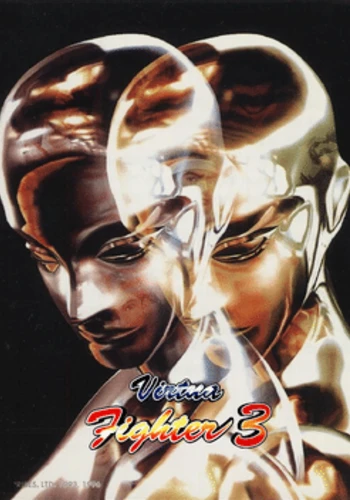
Other Related Arcade Games: Virtua Fighter 3 (1996)
Overview
Virtua Fighter 4: Final Tuned, developed by Sega-AM2 is catagorized as a3D fighting game. It was released exclusively in Japanese arcades. The release date goes back to July 2004. In this final update to Virtua Fighter 4, we have new stages, gameplay fixes, and added character customization options.

Main Characters
Virtua Fighter 4: Final Tuned features both returning fan favorites and new combatants, each with distinct fighting styles.
Returning Characters
| Character Name | Background | Fighting Style |
|---|---|---|
| Akira Yuki | A kung fu teacher from Japan | Hakkyoku-ken (“Eight Extremities Fist”) |
| Pai Chan | An action film star from Hong Kong | Ensei-ken (“Lost Track Fist”) |
| Lau Chan | A famous chef from China and Pai’s father | Koen-ken (“Tiger-Swallow Fist”) |
| Wolf Hawkfield | A Native American professional wrestler from Canada | Professional wrestling techniques |
New Characters
| Character Name | Background | Fighting Style |
|---|---|---|
| Lei-Fei | A Shaolin monk from China | Shourin-ken (Shaolin kung fu) |
| Vanessa Lewis | A security guard with a unique fighting style | Vale Tudo (with the ability to switch styles) |
Game Mechanics
Virtua Fighter 4: Final Tuned sharpens the already precise mechanics of its predecessors, placing a profound emphasis on deeply competitive gameplay rather than a sprawling narrative. The focus is squarely on refining the fighting experience, offering players a sophisticated and strategic battleground.
Streamlined Controls and Evasion
- Revamped Evasion System: Final Tuned introduced a more nuanced and timing-dependent evasion system. Players could now perform successful or unsuccessful evades based on their precision in executing the maneuver. This added a layer of risk and reward to defensive play.
- Simplified Evasive Maneuvers: To make these evasive actions more accessible, the control method was streamlined. Evasive maneuvers were initiated by simply double-tapping the directional input either up or down. This simplification allowed players to focus more on timing and strategic application rather than complex button combinations.
Character Customization and New Arenas
- Expanded Stage Variety: Final Tuned enhanced the visual diversity of the game’s environments by introducing additional stages. These new arenas offered fresh visual backdrops and, in some cases, subtle variations in layout that could influence combat strategy.
- Personalized Gaming Experience: A key feature introduced to deepen player engagement was character customization. Players were given the ability to personalize their favorite fighters with a variety of new cosmetic items. This allowed for a more unique and individual gaming experience, letting players express their style through their chosen warrior.
The Comprehensive Training Mode
Recognizing the depth and complexity of the Virtua Fighter series, Virtua Fighter 4 boasted an exceptionally detailed Training Mode. This mode served as an invaluable resource for players looking to master the game’s intricacies:
- Detailed Command Lists: Players could access comprehensive lists detailing every move and special technique for each character.
- Mechanics Tutorials: The mode provided in-depth explanations and tips on the game’s core mechanics, such as the timing for evades, the nuances of specific attacks, and optimal defensive strategies.
- Combo Recommendations: To help players develop devastating offensive sequences, the training mode offered recommended combos for each character, complete with visual demonstrations and guidance.
Core Gameplay Features
- Diverse Character Roster: The game maintained the series’ tradition of a rich and varied cast of fighters, each employing distinct martial arts styles:
- Returning Stalwarts: Beloved characters such as the stoic protagonist Akira Yuki, the elegant Pai Chan, the powerful Lau Chan, and many other familiar faces returned, offering refined movesets and balanced gameplay.
- Notable Newcomers (in earlier VF4 versions): While Final Tuned focused on refining existing characters, earlier iterations of Virtua Fighter 4 had introduced compelling new fighters like the intense Goh Hinogami and the dynamic Brad Burns, expanding the strategic possibilities.
- Unwavering Competitive Focus: The overarching design philosophy of Virtua Fighter 4 was geared towards pure competitive play. The fighting arenas were intentionally designed to be flat and square, deliberately minimizing randomness and environmental distractions. This focus on a standardized, strategic arena allowed player skill, timing, and tactical decision-making to be the ultimate determinants of victory.
In summation, Virtua Fighter 4: Final Tuned represents a meticulous refinement of the fighting experience. It prioritizes the depth of its gameplay mechanics, the strategic nuances of its combat system, and the personalization offered through character customization, all within a framework designed for intense, skill-based competition.