Ponkotsu Ponko (Manga) – Weebz Club Score: 10/10 “A tender, hilarious jewel that makes ordinary moments feel deeply healing.“
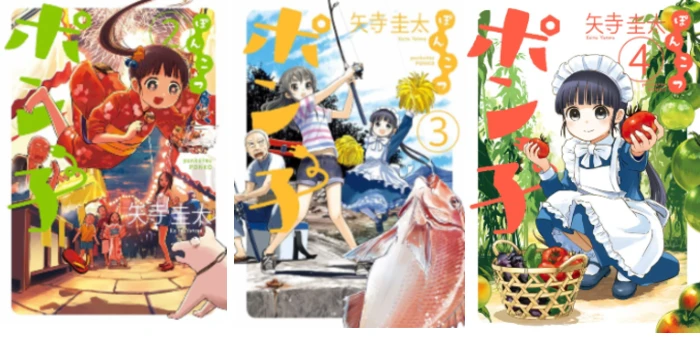
For readers who love iyashikei genre’s slow, restorative pace, series like Yotsuba&, Laid-Back Camp, Barakamon, and Natsume’s Book of Friends are familiar comforts: gentle humor, quiet character growth, and scenes that invite you to breathe. Ponkotsu Ponko joins this lineup while carving its own niche — its unlikely central relationship between an elderly widower and a bumbling housekeeping robot blends pure, innocent fun with deep emotional resonance in a way that feels both new and quintessentially iyashikei.

Why Ponkotsu Ponko is the best iyashikei manga of all time
Even though the manga isn’t officially classified as iyashikei, at its core, Ponkotsu Ponko is an exercise in healing through ordinary days. Many iyashikei works soothe by spotlighting small rituals or the slow strengthening of bonds; Ponkotsu Ponko does the same but from a strikingly fresh angle: the caregiving dynamic is shared between a human facing the limits of age and a well-meaning but malfunctioning machine. This contrast gives the series several strengths that lift it above others in the genre.
1) Heartwarming story with purpose
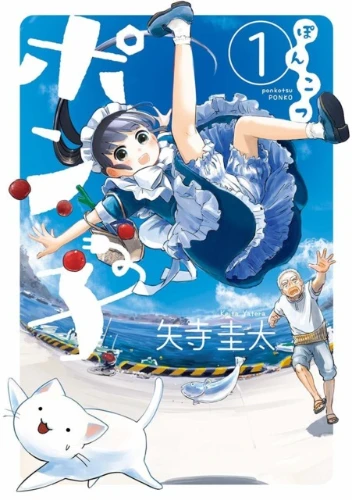
The plot premise is simple and classic iyashikei: Genji Yoshioka, an elderly widower, is lonely until his family gifts him Ponko, a clumsy housekeeping robot. What could be a gimmick becomes a profound narrative engine. Ponko’s presence forces small disruptions in routine that lead to reconnection — with neighbors, with family memories, and with the day-to-day joys Genji had let fade. The manga demonstrates how gentle change can thaw isolation, and it does so without melodrama: the warmth grows in scenes of tea, small chores, and reluctant smiles, which is precisely the genre’s strength magnified by an original pairing.
2) Emotional depth that respects subtlety
Ponkotsu Ponko treats impermanence and meaning with a light but respectful touch. Genji’s grief and the physical realities of aging are never sensationalized; instead, they’re held beside Ponko’s own obsolescence. The robot’s limitations — her errors, her outdated programming, her naïveté — mirror human frailty. This mirroring deepens the story’s emotional stakes: companionship isn’t framed as fixing someone’s brokenness but as learning to inhabit life together despite limits. The result is intimate and quietly moving: readers feel the ache of loss and the comfort of small, shared moments without being told how to feel.
3) Gentle humor and pure, innocent fun
A large part of the manga’s charm is its comedic heartbeat. Ponko is wildly funny in an unfussy, wholesome way: she spills tea, misunderstands idioms, misapportions chores, and yet every mishap reads as affection rather than parody. The humor never undercuts poignancy; it balances it. That balance — laughter braided with tenderness — creates a reading experience that’s light enough to lift spirits and deep enough to linger. The robot’s antics are innocent rather than ironic, and that sincerity is refreshing: you laugh with Ponko and then you feel grateful for the human connections her mistakes open up.
4) Slice-of-life craft at its best
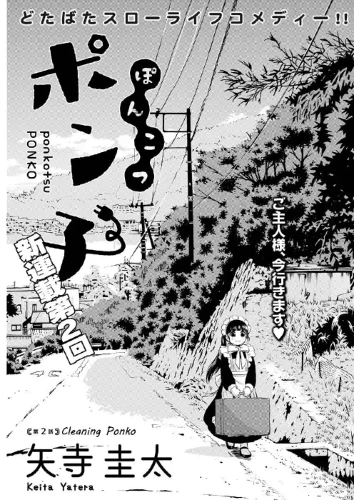
Ponkotsu Ponko excels at rendering the ordinary as meaningful. Rather than big plot events, the manga accumulates small, sensory moments: a slowly cooling cup of tea, a neighbor’s call, the clatter of Ponko’s mis-sweeps. These vignettes cultivate a calming atmosphere that readers of iyashikei crave. The storytelling cadence respects pauses and lets scenes breathe; character development arrives through daily rhythms rather than contrived revelations. For readers seeking comfort, the manga functions like a restorative ritual — familiar, safe, and quietly nourishing.
5) Character chemistry and relatability
Genji and Ponko are immediately sympathetic because they are written with restraint and affection. Genji’s grief is palpable but not defining; he’s grumpy and tender, forgetful and proud. Ponko, despite being a machine, displays an earnestness that humanizes her: curiosity, stubborn optimism, and childlike puzzlement at social norms. Their relationship reads as friendship more than caregiver/recipient roles, which is a powerful choice: it models dignity in aging and agency in the “help” offered, and that relational equality elevates the manga’s emotional payoff.

6) Thematic richness without heaviness
While the series touches on mortality, obsolescence, and the search for meaning, it remains light on didacticism. Themes are embodied through small choices and interactions rather than exposition, allowing readers to take what they need. The juxtaposition of a human’s declining body and a robot’s failing circuitry becomes a meditation on usefulness and belonging — but one that concludes, repeatedly, in tenderness rather than despair.
Conclusion
Ponkotsu Ponko stands out in the iyashikei canon because it marries the genre’s hallmark calm with an inventive central relationship that produces sustained warmth and consistent, innocent humor. Its success comes from honoring the smallness of life while making those small things feel vast: a laugh at Ponko’s antics, a shared cup of tea, a repaired memory. For anyone who reads to be replenished, to laugh quietly, and to leave calmer than they arrived, Ponkotsu Ponko isn’t just another soothing manga — it’s a masterclass in how ordinary moments can become extraordinary companionship.