Nana [Anime Series] – Info, Plot, Main Characters
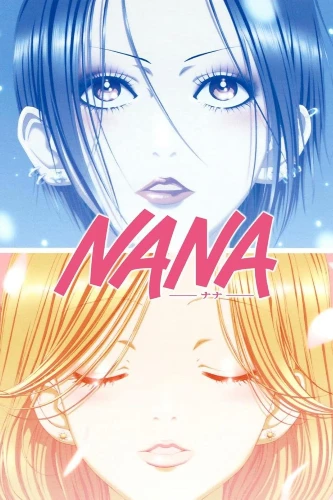
Japanese Title: ナナ (Nana); stylized: NANA
Year of Release: 2006 – 2007 (47 episodes)
Origin: Japan
Director: Morio Asaka
Production: Madhouse
Manga: Nana Manga 2000 – 2009 (21 volumes)
Anime Movies: –
Weebz Club Rating: Nana Anime Series Episode 1 Review – 8.5/10
Plot Overview
Nana offers a compelling narrative centered on two young women, both bearing the same name, who cross paths on a fateful train journey to Tokyo. Coincidentally becoming roommates, they embark on navigating their vastly different lives and intertwined aspirations in the bustling metropolis. Nana Osaki is a fiercely determined punk rock vocalist with dreams of achieving superstardom with her band, Black Stones. In contrast, Nana Komatsu, affectionately nicknamed “Hachi” (meaning “bee” in Japanese, symbolizing her tendency to be drawn to others), is an optimistic romantic who yearns for a stable, loving family and frequently finds herself entangled in complex and often tumultuous romantic relationships. The story meticulously unfolds as these two distinct women face myriad challenges, from navigating the intricacies of their evolving friendship and complex love lives to striving for their personal ambitions, ultimately highlighting the raw, often harsh, struggles inherent in the transition to adulthood.

Main Characters
| Character Name | Role |
|---|---|
| Nana Osaki | A charismatic and exceptionally determined punk rock singer. Possessing a formidable personality and a deeply troubled past, she is driven by her ambition. |
| Nana Komatsu (Hachi) | A kind-hearted and often naive dreamer. She tends to fall in love easily and yearns for the stability and security of a loving family life. |
Themes
- The profound bond between the two Nanas forms the emotional core of the series. Their relationship is depicted with remarkable realism, showcasing not only unwavering support and deep affection but also the inevitable conflicts, misunderstandings, and emotional friction that can arise.
- The contrasting life goals of the two protagonists underscore the theme of ambition. Nana Osaki’s relentless pursuit of a successful music career stands in stark contrast to Nana Komatsu’s simpler, yet equally potent, desire for a stable family and romantic fulfillment.
- The series delves deeply into the complexities and often painful realities of romantic entanglements. It explores the intoxicating highs and devastating lows of falling in love, the challenges of maintaining relationships, and the impact of romantic decisions on one’s life.
- Nana offers a raw and honest portrayal of the transition into adulthood. It unflinchingly addresses the heartbreaks, the difficult choices, the financial struggles, and the profound personal growth that come with navigating the realities of adult life.
Style
The anime adaptation of Nana is particularly renowned for its distinct characteristics:
- Fashion plays an absolutely integral role in the series’ visual identity. Heavily influenced by punk culture and street style, the characters are consistently depicted in stylish, edgy, and trend-setting outfits that reflect their personalities and aspirations.
- The soundtrack is not merely background music but a vital component of the narrative. The punk rock anthems and melancholic melodies are intricately woven into the story, powerfully mirroring the characters’ evolving emotions, the raw energy of the music scene, and the overall atmosphere of the series.
- Nana masterfully combines elements of intense drama with moments of genuine humor. It is not afraid to delve into serious and mature topics, including the harsh realities of drug abuse, the anxieties surrounding unplanned pregnancy, and the emotional toll of betrayal and heartbreak, thereby resonating deeply with a discerning, mature audience.
Overall, Nana stands as a rich, emotionally resonant exploration of life, the complexities of female friendship, and the often-painful pursuit of dreams, all set against a vibrant and captivating backdrop of cutting-edge music and distinctive fashion.
Sources: Nana Official Site, Wikipedia