Hana yori Dango Anime Series
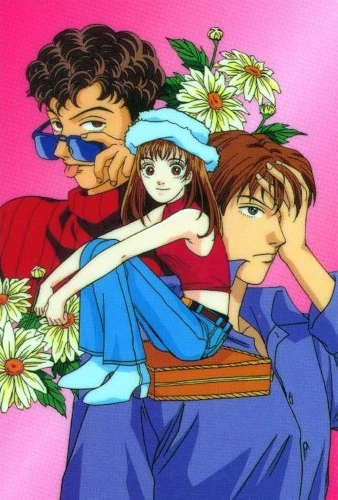
Hana yori Dango (Anime Series)
Genre: Romantic Comedy / Reverse Harem
Japanese Title: 花より男子 (Hana Yori Dango); lit. “Boys Over Flowers“
Year of Release: 1996 – 1997 (51 episodes)
Origin: Japan
Director: Shigeyasu Yamauchi
Production: Toei Animation
Manga: Boys Over Flowers Manga 1992 – 2004 (37 volumes)
Anime Movies: Hana yori Dango: The Movie 1997 (30 minutes)
Plot Overview
Hana Yori Dango (Boys Over Flowers) follows Tsukushi Makino, a resilient girl from a middle‑class family who earns a scholarship to the elite Eitoku Academy. The school is ruled by the F4, four wealthy, powerful boys who intimidate and control students they see as beneath them. Tsukushi refuses to be cowed, challenging the F4’s tyranny and drawing the attention of its volatile leader, Tsukasa Domyoji, and his quiet, introspective friend, Rui Hanazawa. The series tracks Tsukushi’s daily battles—social, emotional, and romantic—as she resists bullying, navigates complicated friendships, and becomes entangled in a fraught love triangle that forces everyone to confront pride, loyalty, and vulnerability.
Main Characters
Tsukushi Makino: The determined, outspoken heroine from a modest background who refuses to accept humiliation and fights for fairness.
Tsukasa Domyoji: The arrogant, impulsive heir and F4 leader whose aggressive exterior conceals deep insecurity and a fierce capacity for passion.
Rui Hanazawa: The gentle, emotionally reserved friend whose quiet presence and hidden feelings add a melancholic counterpoint to the romance.
Sojirou Nishikado: The suave playboy of the group, charming and flirtatious, often masking deeper loyalties.
Akira Mimasaka: The calm mediator of the F4, who seeks balance within the group and sometimes tempers its excesses.
Themes
- The story contrasts the privileges of the ultra‑wealthy with the struggles of ordinary students, spotlighting social power, entitlement, and exclusion.
- Romantic entanglements, unspoken longing, and shifting loyalties drive much of the drama, exploring how pride and vulnerability shape connections.
- Tsukushi’s arc emphasizes resilience, self‑respect, and moral courage as she forces others—and herself—to change.
Style
The series blends sharp comedy with melodramatic romance, using heightened character traits and frequent comic beats to offset emotional tension. Its brisk, engaging storytelling keeps focus on character development and romantic stakes. Visually, the anime reflects a 1990s shōjo aesthetic: vivid colors, expressive facial animation, and stylized designs that amplify emotional moments and the story’s dramatic flourishes.