Ao Haru Ride [Anime Series] – Info, Plot, Main Characters
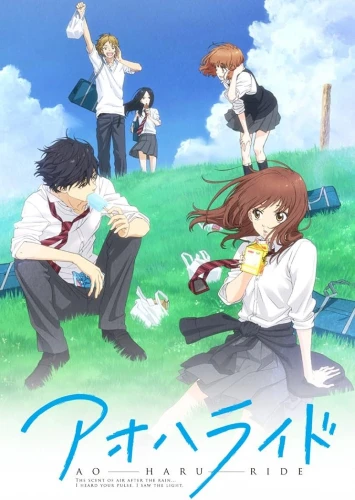
Ao Haru Ride (Anime Series)
Genre: Coming-of-Age / Drama / Romance

Japanese Title: アオハライド (Aoharaido); known internationally as “Blue Spring Ride”
Year of Release: 2014 (1 season, 12 episodes)
Origin: Japan
Director: Ai Yoshimura
Production: Production I.G
Manga: Ao Haru Ride Manga 2011 – 2015 (13 volumes)
Anime Movies: –
Weebz Club Rating: Ao Haru Ride Anime Series Episode 1 Review – 9/10
Plot Overview
Ao Haru Ride (Blue Spring Ride) intimately follows the life of Futaba Yoshioka, a high school student grappling with the aftermath of middle school trauma, where she was bullied for her perceived femininity. To avoid further social ostracization, Futaba deliberately adopts a more tomboyish and unfeminine demeanor, suppressing her true self to blend in. The narrative takes a significant turn when she unexpectedly reunites with Kou Mabuchi, her first love from middle school. However, Kou has undergone a dramatic transformation, becoming a more cynical and distant individual following personal tragedies. Their relationship, once defined by innocent affection, is rekindled amidst the complexities of adolescence and the lingering shadows of their past, exploring profound themes of love, personal growth, and the indelible impact that past experiences have on present relationships.

Main Characters
- Futaba Yoshioka: The protagonist, Futaba is a high school girl wrestling with her identity. Scarred by past bullying, she tries to appear unfeminine to gain acceptance from her peers, leading to an internal conflict between who she is and who she believes she needs to be.
- Kou Mabuchi: Futaba’s first love. Kou is now a more withdrawn and seemingly pessimistic version of the boy Futaba once knew. His transformation is deeply rooted in the grief and personal tragedies he has experienced, most notably the death of his mother, which has significantly impacted his outlook on life.
- Yuri Makita: A classmate and one of Futaba’s earliest friends in high school. Yuri, like Futaba, initially experiences social isolation but possesses a strong sense of self. She remains true to her nature and becomes a crucial source of support for Futaba.
- Shuko Murao: Initially preferring solitude and keeping to herself, Shuko gradually opens up and forms a friendship with Futaba and Yuri. Her journey reflects the possibility of overcoming self-imposed isolation and finding connection.
- Toma Kikuchi: A classmate who becomes romantically interested in Futaba. His presence complicates Futaba’s burgeoning feelings for Kou, forcing her to confront her true desires and navigate the complexities of teenage romance.
Themes
- A central focus of the series is Futaba’s journey of self-discovery. She learns to confront her past traumas, re-evaluate her need for external validation, and gradually accepts her true self, embracing both her feminine qualities and her evolving identity.
- Ao Haru Ride delves into the multifaceted nature of love and relationships. It explores the complexities of rekindled affections, the pain of lost connections, the challenges of communicating feelings, and how past heartbreaks can shape future romantic endeavors.
- Many characters in the series grapple with profound feelings of isolation and the yearning for genuine connection. The narrative portrays their struggles to overcome loneliness, find solace in friendship, and build meaningful bonds in the often confusing landscape of adolescence.
Style
Ao Haru Ride is distinguished by its significant emotional depth and its compelling coming-of-age narrative. The animation style adheres to the conventions of shoujo anime, placing a strong emphasis on character expressions and the subtle nuances of their interactions. These elements are crucial in conveying the characters’ inner turmoil, unspoken emotions, and the delicate shifts in their relationships. The series adeptly combines dramatic tension with heartwarming romance, creating a relatable experience for viewers who have navigated similar challenges of identity, friendship, and first love during their formative years.
Sources: Ao Haru Ride Official Site, Wikipedia