Scum’s Wish – Kuzu no Honkai Anime Series Episode 1: The First Wish (2017) – Weebz Club Score: 9/10 “A Stunningly Art-Directed Premiere That Explores the Painful Nuances of Unrequited Affection and the Formation of a Desperate, Contractual Bond, Positioning Itself as a Mature and Unconventional Take on Romance.”
“The First Wish,” the inaugural episode of Scum’s Wish (Kuzu no Honkai), immediately distinguishes itself with its elevated artistic sensibility and meticulously crafted characters. The anime presents a visually arresting experience, where even the lightest ecchi elements are handled with a sophisticated touch, ensuring they enhance rather than detract from the narrative. It’s important to note that the title, while evocative, should not be mistaken as an indicator of vulgarity; the term “scum” is utilized here not as crude slang, but as a descriptor for individuals caught in the throes of intense, often painful, emotional desperation. This episode masterfully lays the foundation for an unconventional love story, even within a genre often populated by similar storylines. The narrative deftly explores the complexities of unrequited love and the formation of a unique, mutually beneficial arrangement designed to navigate profound loneliness. Scum’s Wish undoubtedly stands out, offering a more mature and introspective exploration of romance that sets it apart from its contemporaries.

The Weight of Unspoken Feelings
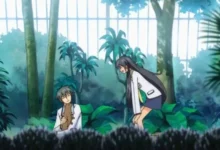
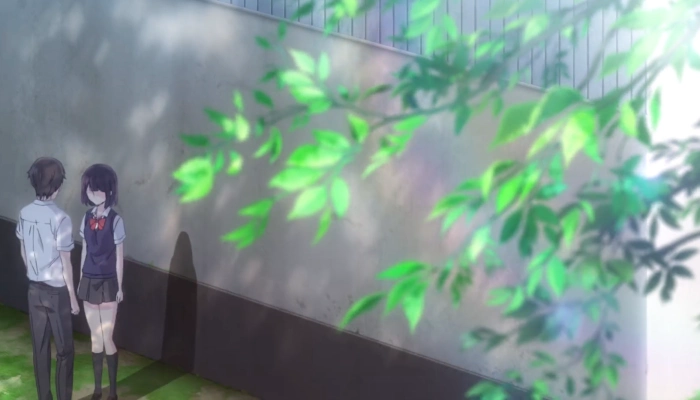
- Hanabi’s Yearning: The episode centers on Hanabi Yasuraoka, a high school student whose seemingly idyllic life is overshadowed by her deep, unrequited love for her homeroom teacher, Narumi Kanai. Her world is further complicated by the realization that Narumi’s affections are directed towards the charming new music teacher, Akane Minagawa. This dawning awareness plunges Hanabi into a profound sense of loneliness and despair.
- Mugi’s Shared Isolation: Hanabi’s emotional turmoil finds a mirror in Mugi Awaya, another student harboring a secret infatuation – with Akane Minagawa herself. Both Hanabi and Mugi are trapped by their unfulfilled desires, leading them to forge a pact born of mutual loneliness and a desperate need for solace. Their arrangement is not one of genuine affection, but a pragmatic agreement to use each other as substitutes for the people they truly desire.
Artistry and Emotional Depth
- Elevated Artistic Sense: The anime’s artistic direction is exceptionally strong, evident from the very first episode. The character designs are well-made and expressive, conveying a range of subtle emotions. The visual palette and composition are sophisticated, lending a mature and often melancholic atmosphere to the proceedings. This elevated artistry elevates the exploration of sensitive themes.
- Subtle Allure, Mature Themes: While there are moments of light ecchi elements, they are handled with restraint and contribute to the overall aesthetic rather than serving as mere titillation. The true substance of the episode lies in its mature exploration of complex emotions. It delves into the pain of unrequited love, the desperation that stems from loneliness, and the morally ambiguous choices individuals make when faced with emotional devastation.

Standing Apart in the Romance Genre
A Story That Lingers: Despite the potentially common storyline of unrequited love, Scum’s Wish manages to carve out its own identity. The emotional honesty, the sophisticated presentation, and the willingness to explore the darker, more complex facets of human desire and loneliness allow it to stand out. “The First Wish” effectively sets the stage for a narrative that promises to be both thought-provoking and emotionally resonant, confirming its place as a title that transcends the usual conventions of its genre.
Unconventional Bond: The core of the episode’s distinctiveness lies in the fabricated relationship between Hanabi and Mugi. This arrangement, based on shared pain and a mutual agreement to pretend, offers a unique perspective on companionship and intimacy. It’s a story about finding solace in shared misery, rather than in true love, which is a departure from many typical romance narratives.