Initial D: Final Stage Anime Series Episode 1: Outsoar The Rainbow (2014) – Weebz Club Score: 9/10 “Bridging a Decades-Long Gap with Stunning Visuals and a Deeply Symbolic Confrontation, “Outsoar The Rainbow” Reintroduces Takumi Fujiwara in a Highly Anticipated Finale That Honors Its Roots While Embracing Modern Animation Prowess.”
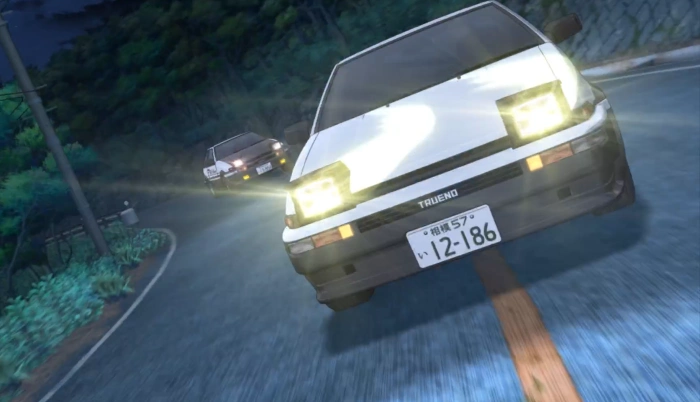
A remarkable 15-year leap in animation quality separates the debut of Initial D: First Stage (1998) from Initial D: Final Stage Episode 1, “Outsoar The Rainbow” (2014). While the foundational charm of the earlier series is undeniable, the visual fidelity of Final Stage is, to be frank, a significant upgrade, bordering on “over the top” in its meticulous detail. This advanced animation serves to highlight the passage of time, not just in the technological leaps made in animation, but also within the narrative itself. The characters, while retaining a more detailed appearance due to the advanced animation, have indeed aged, reflecting the series’ commitment to a more realistic portrayal of progression—a unique strength that contributes to its distinct, melancholic allure. The story itself perfectly embodies the spirit of a “final stage,” presenting Takumi Fujiwara with a profound challenge: a race against a rival piloting a Toyota AE86, a car strikingly similar to his own, yet subtly different in model. This mirrors his own evolution as a driver, making the confrontation both deeply personal and symbolically rich. For these reasons, Episode 1 of Final Stage earns a strong 9 out of 10.
A Rival of Echoes
- Takumi’s Evolved Journey: The episode finds Takumi Fujiwara in a new phase of his racing career, the culmination of years spent honing his skills. The advanced animation subtly underscores his growth, presenting a more mature driver facing the pinnacle of his journey. His presence in Final Stage signifies not just the end of a race, but the conclusion of a significant arc.
- Shinji Inui: The Mirror Racer: The introduction of Shinji Inui as Takumi’s latest rival is a stroke of narrative genius. Driving an identical model to Takumi’s iconic AE86, Shinji represents a fascinating echo of Takumi’s own past. His familiarity with the mountain pass where they are set to compete adds another layer of challenge and intrigue. This mirrored rivalry emphasizes the theme of legacy and personal evolution, forcing Takumi to confront not just an opponent, but a reflection of his own beginnings.
The Apex of Animation and Realism
- Visual Spectacle: Final Stage‘s animation quality is a significant departure from its predecessor. The intricate details of the cars, the fluidity of motion, and the dynamic rendering of the mountain pass are breathtaking. The “over the top” nature of the animation serves to amplify the excitement of the race, making each drift, acceleration, and near-miss incredibly visceral.
- A Realistic Progression: The series’ commitment to aging its characters, a rarity in anime, adds a profound layer of realism. Witnessing the subtle changes in Takumi and other familiar faces grounds the narrative, making their final confrontations feel earned and consequential. This dedication to a more lifelike progression distinguishes Initial D and enhances the emotional weight of its conclusion.
A Fitting Climax
A Decade and a Half of Excellence: The journey from the first episode of First Stage to this premiere of Final Stage is a testament to the enduring appeal of Initial D. “Outsoar The Rainbow” skillfully blends the nostalgic charm of its origins with cutting-edge animation, delivering a powerful opening to the series’ grand finale. It’s a near-perfect opening to the conclusion of a legendary saga.
The “Final Stage” Narrative: Episode 1 effectively establishes the stakes for the series’ conclusion. The race against Shinji, in a car that is both familiar and subtly different, perfectly encapsulates the theme of moving forward while honoring one’s past. It is a confrontation that speaks to Takumi’s growth and the enduring legacy of the AE86.