Intro
Code Geass: Lelouch of the Rebellion is a landmark anime series that blends mecha action, political thriller, and psychological drama into a propulsive, morally charged narrative. Set in an alternate near-future where the Holy Britannian Empire dominates much of the world, the series follows Lelouch vi Britannia—an exiled Britannian prince living under the alias Lelouch Lamperouge—whose life is defined by loss, cunning, and an unyielding desire for justice. After a chance encounter with a mysterious girl named C.C., Lelouch acquires the power of Geass: the ability to command anyone to obey a single absolute order. Armed with this supernatural edge and a brilliant strategic mind, he adopts the masked identity of Zero and launches a calculated rebellion against Britannia, aiming to reshape the world and secure a peaceful future for his disabled younger sister, Nunnally.

Code Geass excels at threading large-scale geopolitical conflict with intimate emotional stakes. Its genre mix—political intrigue, school drama, and high-stakes mecha warfare—creates a versatile stage where Lelouch’s intellect and moral contradictions can play out. He is both a tactical genius and a deeply flawed protagonist: ruthless when necessary, tender in private, fiercely protective of Nunnally, and romantically complicated. His love life is largely defined by fleeting yet intense connections—most notably with childhood friend Shirley Fenette, whose tragic arc underscores the collateral damage of his double life, and with C.C., whose enigmatic bond with Lelouch blends companionship, temptation, and shared sacrifice.
The series’ layered plotting, iconic visuals, and emotional core made Lelouch an instant focal point for debate and admiration. His role as revolutionary leader, anti-hero, and sacrificial architect of a new order positions him among anime’s most compelling figures—one whose choices force viewers to confront hard questions about power, responsibility, and the price of peace.

1. Brilliant strategist
Lelouch’s tactical genius is the engine of Code Geass. He anticipates opponents’ moves, layers contingency plans, and stages dramatic reversals that feel earned rather than convenient. His strategies—ranging from battlefield maneuvers to psychological manipulation—turn seemingly impossible situations into victories, which keeps viewers constantly impressed and theorizing about his next move.
2. Deep moral complexity
Lelouch pursues a noble aim—creating a peaceful world for Nunnally—but repeatedly chooses ruthless means. That tension between intent and method forces the audience to question whether the ends justify the means, making him a character who sparks debate and personal reflection long after episodes end.

3. Epic, sacrificial arc
His progression—from ostracized prince to the face of a rebellion and finally to orchestrator of his own downfall—is structured around escalating sacrifices. Each choice isolates him further but also reveals his commitment to a larger ideal, giving his final acts profound emotional and narrative weight.
4. Powerful emotional core
Lelouch’s relationship with his sister Nunnally grounds his grand ambitions in intimate vulnerability. Moments of tenderness, protection, and grief humanize him, ensuring viewers empathize with his motives even when they condemn his methods.
5. Magnetic leadership and charisma
Lelouch converts fractured allies into a coherent movement through charisma, vision, and theatrical authority. His presence commands loyalty and fear, and his ability to inspire others amplifies the stakes and scale of the story, cementing his status as a compelling leader figure.
6. Anti‑hero appeal that challenges norms
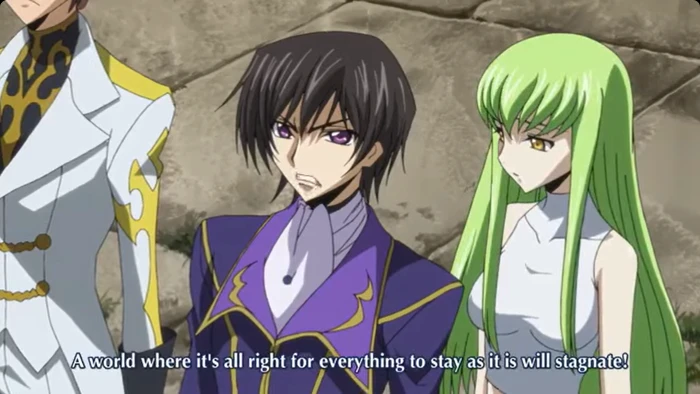
By occupying the moral gray, Lelouch subverts the traditional hero archetype. His willingness to sacrifice innocents, manipulate friends, and assume culpability makes him unpredictable and narratively rich—qualities that resonate strongly with audiences who prefer complexity over simplicity.
7. Memorable visual and symbolic design
From his Ashford uniform to the Zero mask and the striking visual motif of his geass eye, Lelouch’s design communicates duality—student and revolutionary, prince and faceless symbol. These visuals make him instantly recognizable in cosplay and fan art, reinforcing his cultural footprint.
8. Iconic voice performance
Jun Fukuyama’s vocal work captures Lelouch’s intellectual poise, simmering anger, and fragile tenderness. The performance elevates key scenes—monologues, confrontations, and private moments—making them emotionally resonant and frequently quoted by fans.
9. Genre‑blending storytelling that showcases him
Code Geass combines political intrigue, mecha combat, and psychological drama in ways that play to Lelouch’s strengths. The varied contexts—diplomatic negotiation, battlefield improvisation, intimate confession—allow his character to flex different facets, keeping the series dynamic and his role central.
10. Lasting cultural resonance
Lelouch is a frequent presence in fan polls, academic discussion, and fandom creations. His debates about morality, leadership, and sacrifice fuel community analysis, theories, and reinterpretations, ensuring his relevance across generations of anime fans.
Lelouch’s blend of strategic brilliance, emotional sacrifice, moral ambiguity, and memorable presentation explains why he remains one of anime’s most discussed and beloved characters.
Bonus: Famous Lelouch Quotes-
“All the hatred in the world is gathered on me, as promised. So, all you have to do is to erase my existence, and put an end to this chain of hatred. The Black Knights will have the legend of Zero left behind for them. Schneizel will work for Zero. And now the world can be unified at one table, not through military force, but through negotiation and talk. Mankind can finally embrace the future.“
“A life that lives without doing anything is the same as a slow death.”
“People don’t give damn about reasons, but nobody can resist miracles.”
When there is evil in this world that justice cannot defeat, would you taint your hands with evil to defeat evil?”
“Before creation there must be destruction. If my soul stands in the way, then I’ll toss it aside.”